
A Practical Guide to Understanding, Cultivating, and Applying Natural Energy in Everyday Life
Tired of being tired? Do you struggle with low energy and feel sluggish throughout the day? You’re not alone. In our fast-paced modern world, fatigue has become a common complaint that affects our work performance, relationships, and overall quality of life. This comprehensive guide will explore the science of natural energy and show you practical ways to boost your vitality using nature’s fuel—the foods that come straight from the earth.
Energy isn’t just about getting through your to-do list. It’s about having the mental clarity to make good decisions, the physical stamina to enjoy activities with your loved ones, and the emotional resilience to handle life’s challenges. When you understand how your body creates and uses energy, you gain the power to optimize it intentionally rather than feeling like a victim of constant exhaustion.
Energy isn’t just a scientific concept—it’s the invisible fuel that runs your entire life. According to Oxford Learner’s Dictionaries and Oxford Reference, energy is the capacity or power to do work, such as moving an object by applying force[1]. In the human body, energy is described as the strength, effort, or vitality required for sustained mental or physical activity[2].
In everyday terms, energy is what decides whether you crush that workout after a long day or collapse on the couch. It’s what determines if you have the patience and focus to help your kids with their homework or feel too drained to think straight. Energy is power, and when you see it that way, it becomes something to respect, protect, and intentionally cultivate—not just something you wish you had more of.
Energy appears in many forms throughout nature and in our bodies. These forms include mechanical energy (both kinetic and potential), thermal energy, electrical energy, chemical energy, and nuclear energy[3]. One of the fundamental principles of physics is the conservation of energy: energy can be transformed from one form to another but can never be created or destroyed[4].
This principle has practical implications for how we think about our own vitality. When we say we need to “conserve energy,” we’re acknowledging that our body’s resources are limited and must be managed wisely. Sometimes the best strategy is to rest and recover—to live to fight another day.
Food consumption provides the body with chemical energy, which is a form of stored potential energy[5]. This energy is contained within the molecular bonds of carbohydrates, fats, and proteins. When you eat, your body breaks down these molecular bonds through cellular respiration, releasing the energy needed to power bodily functions, metabolism, and movement[6]. This food energy is measured in Calories (kilocalories or kcal) or kilojoules (kJ)[7].
Before you consume food, it acts as stored chemical potential energy. Once consumed, your body converts this chemical energy into kinetic energy for movement and thermal energy for maintaining body temperature[8]. The primary sources of this energy are the three macronutrients: carbohydrates, fats, and proteins, each playing a unique role in fueling your body’s needs.
At the cellular level, your mitochondria—the powerhouses of your cells—oxidize nutrients, mainly glucose and fatty acids, to generate ATP (adenosine triphosphate)[9]. ATP is the universal energy carrier in all living organisms. It stores chemical energy in its molecular bonds and releases that energy when one phosphate bond is broken, directly powering biological processes such as ion transport, muscle contraction, nerve impulse propagation, and biosynthesis[10].
Without ATP, your cells simply couldn’t function. Every movement you make, every thought you think, and every breath you take depends on this remarkable molecule. Understanding ATP helps explain why certain foods and lifestyle choices affect your energy levels so dramatically.
The body produces ATP through three main energy systems, each suited to different types of activity and energy demands[11]:
1. Immediate ATP-PC System: This system uses phosphocreatine stored in muscles to regenerate ATP almost instantly. It powers explosive efforts lasting about 10 seconds or less, such as a sprint start or a heavy lift. However, phosphocreatine stores are limited and deplete quickly[12].
2. Anaerobic Glycolysis: This system breaks down glucose without requiring much oxygen, making it ideal for intense efforts lasting up to a few minutes. While it produces ATP relatively quickly, it also generates lactate as a byproduct, which contributes to the burning sensation in muscles during intense exercise[13].
3. Aerobic (Oxidative) Phosphorylation: This system operates in the mitochondria and uses carbohydrates and fats along with oxygen to produce large amounts of ATP. It’s the primary energy system for sustained, moderate-intensity activities and provides the steady energy you need for daily life[14].
Your brain is an energy-hungry organ. Despite representing only about 2% of your body weight, the brain consumes approximately 20-25% of your body’s total ATP production[15]. This high energy demand is necessary to maintain ion gradients across nerve cell membranes and support synaptic transmission—the communication between nerve cells that underlies all mental function.
This is why energy metabolism has such a profound effect on mental clarity, focus, and mood. When your brain doesn’t get adequate glucose or when ATP production is compromised, you experience brain fog, difficulty concentrating, irritability, and reduced cognitive performance. The connection between food and mental function isn’t just psychological—it’s deeply biochemical.
Ever heard the saying, “You are what you eat”? When it comes to energy and clarity, this couldn’t be more true. Think about what you regularly put on your plate. Highly processed foods can cloud your mind, dull your clarity, and even influence your decision-making. In contrast, foods that are gentle on your digestive system provide a smoother kind of energy because your body can break them down more easily[16].
When you eat simple carbohydrates along with adequate fluids and electrolytes, you’re giving your cells fast-absorbing fuel in the form of glucose, plus the minerals they need to convert that fuel into ATP—the usable energy your body relies on to think, move, and get things done[17].
Understanding the journey from food to energy helps explain why certain foods make you feel energized while others leave you sluggish. Here’s how quick-digesting carbohydrates work in your body:
Simple and refined carbohydrates—such as fruit juice, white bread, sugar, and ripe fruit—are broken down quickly into simple sugars, primarily glucose, starting in the mouth and continuing in the small intestine[18]. Because these foods are low in fiber, fat, and protein, they leave the stomach rapidly and are absorbed quickly through the small intestine into the bloodstream[19]. As glucose enters the blood, your blood sugar level rises relatively fast and high compared to slower-digesting, high-fiber or high-fat foods[20].
The pancreas senses the rising blood glucose and secretes insulin, a hormone that acts like a key to unlock cells[21]. Insulin signals muscle, liver, and fat cells to pull glucose from the bloodstream and bring it inside. Once inside the cells, glucose is processed through glycolysis and then through the mitochondria to produce ATP, the energy currency that powers all cellular work[22].
The more available glucose your cells have (along with adequate oxygen), the more quickly they can ramp up ATP production to support physical movement, mental work, and all other bodily functions[23].
There are several reasons why consuming quick-digesting carbs makes you feel energized:
While glucose provides the fuel, fluids and electrolytes are equally essential for effective energy use. Water is needed to maintain blood volume, support circulation, and allow nutrients and hormones like insulin to move efficiently throughout your body[27]. Without adequate hydration, even abundant glucose cannot reach your cells effectively.
Electrolytes—charged minerals such as sodium, potassium, chloride, magnesium, and calcium—help maintain the electrical gradients across cell membranes[28]. Muscle contraction and nerve signal transmission depend on these gradients, so having enough electrolytes enables your cells to translate the ATP they produce into effective muscle contractions and neural signals[29].
Choosing the right beverages can support your energy levels throughout the day. Here are some options that provide hydration, electrolytes, and quick energy[30]:
Remember that while some of these beverages provide quick energy through simple sugars, others offer sustained hydration and electrolyte balance. The best choice depends on your immediate needs, activity level, and overall dietary context.
In everyday language, “natural” usually means “from nature, not made or heavily changed by humans”[31]. People use this term to suggest something is closer to its original state, less processed, or not synthetic (not containing man-made chemicals). This common understanding reflects a desire to consume foods that our ancestors might recognize—foods that haven’t been extensively altered from their original form.
From a regulatory and food labeling perspective, the definition becomes more specific but also more complex. In the United States, the FDA’s informal stance is that “natural” on food labels means nothing artificial or synthetic, including artificial colors, has been added that wouldn’t normally be expected in that food[32].
A common regulatory-style definition states that natural means “no artificial ingredient or added color and only minimally processed,” where “minimally processed” indicates that the processing doesn’t fundamentally change the basic nature of the food[33]. However, it’s important to understand that “natural” does not guarantee better nutrition or safety. Research studies have shown that foods labeled as natural are not consistently more nutritious than regular versions[34].
Now that we’ve explored what “natural” really means, what energy is, and how our bodies create and use it, let’s shift our focus to natural foods—those that are simple, nourishing, and easy to digest. When we choose foods that come straight from the earth, we’re giving our bodies what they’re designed to thrive on. The earth provides nutrient-rich ingredients that fuel our focus, movement, and everyday life in ways that heavily processed foods simply cannot match.
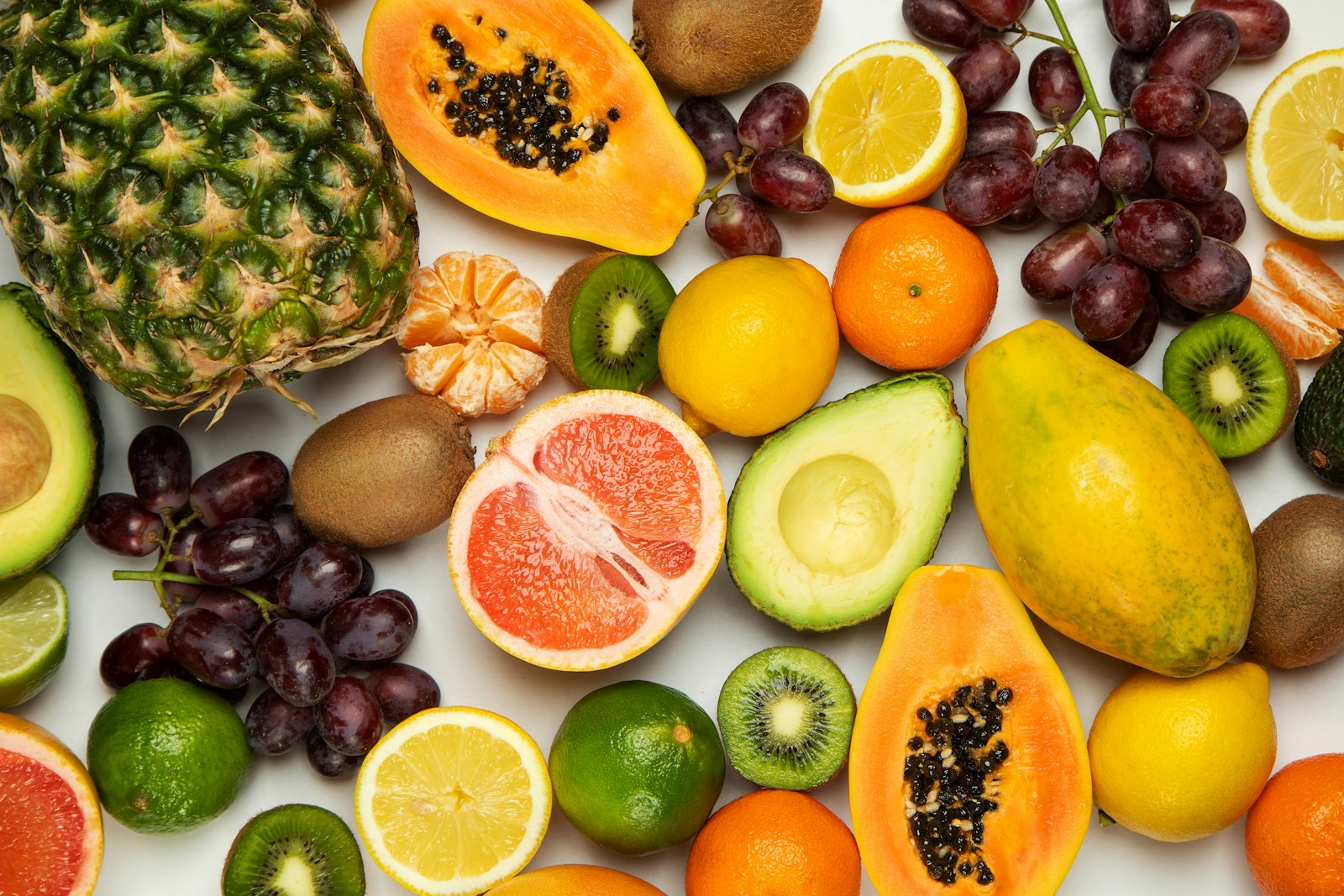
When you need fast, gentle energy that won’t burden your digestive system, these plant foods are excellent choices:
Bananas offer a soft texture and are relatively low in fat while being rich in easily utilized carbohydrates. They provide potassium, vitamin B6, and dietary fiber. Bananas are often recommended for quick energy before or during physical activity and are gentle enough for sensitive stomachs[35].
Ripe melons—including watermelon, cantaloupe, and honeydew—have high water content and provide simple carbohydrates. They’re extraordinarily gentle on digestion and excellent for both hydration and quick glucose delivery[36].
Papaya contains natural digestive enzymes called papain and chymopapain that help break down proteins. This tropical fruit is soft, easy to digest, and provides carbohydrates, vitamin C, and antioxidants[37].
Ripe peaches, pears, and applesauce become easier to digest when ripe or cooked because the fiber structure softens. They still offer natural sugars and beneficial fiber while being gentle on the digestive system[38].
These minimally processed plant foods provide more sustained energy than fruit sugars while still being relatively easy to digest:
White rice is very low in fiber and fat, making it exceptionally easy on the digestive system. It’s digested into glucose relatively quickly and is often used in bland diets and as a quick energy base for meals[39].
Boiled or mashed potatoes, when cooked until soft and prepared with minimal fat, are easy to digest and provide starch for energy along with potassium. Their simplicity makes them an excellent comfort food that also delivers practical nutritional benefits[40].
Sweet potatoes become soft and easily digestible when cooked. They provide readily accessible carbohydrates along with soluble fiber and important micronutrients like beta-carotene (which your body converts to vitamin A) and potassium, supporting both energy production and gut health[41].
Oatmeal (well-cooked) is technically more complex and slower-digesting than fruit, but when cooked until very soft, it becomes relatively easy to digest. It offers longer-lasting energy from complex carbohydrates and provides sustained fuel for several hours[42].
These natural, earth-grown foods are ideal for maintaining stable energy levels throughout the day rather than providing instant fuel:
Whole fruits and vegetables provide complex carbohydrates combined with fiber, vitamins, and minerals. This combination helps maintain stable blood sugar levels and prevents the energy crashes associated with refined carbohydrates[43].
Whole grains—such as brown rice, quinoa, and whole-grain bread—contain complex carbohydrates that break down more slowly than refined grains. This slower digestion provides a steadier glucose supply and longer-lasting energy[44].
Legumes—including beans, lentils, and chickpeas—are not quick energy foods due to their high fiber and protein content. However, they excel at stabilizing blood sugar and supporting sustained energy over many hours, making them valuable for all-day vitality[45].
Beyond plant foods, here are additional options to round out your energy-supporting diet with satisfying meals and snacks[46]:
These foods offer variety and help ensure you’re getting adequate protein and healthy fats alongside carbohydrates, creating balanced meals that support sustained energy and overall health. Of course, there are plenty of other great options we haven’t mentioned—these are simply starting points for building your personalized energy-supporting eating plan.
Understanding the science is valuable, but applying it to your daily life is where real transformation happens. Here’s how to use this information in practice:
For Fast but Natural Energy: When you need quick fuel—before a workout, between jobs, or during a mid-afternoon slump—combine a ripe banana or some watermelon with a small portion of white rice or a boiled potato. This combination provides immediately available glucose along with slightly more sustained carbohydrates[47].
For Gentler, All-Day Energy: Base your main meals around cooked whole grains, sweet potatoes, beans, and a variety of fruits and vegetables. Make sure you’re consuming enough total calories for your activity level and staying well-hydrated throughout the day. This approach provides steady energy without dramatic spikes and crashes[48].
Consider these practical tips for maintaining natural energy throughout your day:
Natural energy isn’t just about eating the right foods—it’s about understanding the remarkable biological systems that convert food into vitality and using that knowledge to make intentional choices that serve your life. From the ATP molecules powering every cell in your body to the whole foods that provide the raw materials for energy production, you now have a comprehensive framework for boosting your energy naturally.
The connection between energy, clarity, and food quality is undeniable. When you choose simple, earth-grown foods that your body can easily digest and convert into usable fuel, you’re not just feeding yourself—you’re optimizing your physical performance, mental sharpness, and emotional resilience. Quick-digesting carbohydrates paired with adequate hydration and electrolytes can provide the immediate boost you need, while whole plant foods offer sustained energy that carries you through demanding days.
Remember that “natural” doesn’t automatically mean superior in every way, but choosing minimally processed, nutrient-rich foods that come from the earth generally supports better energy metabolism than heavily processed alternatives. Your body is designed to thrive on real food—fruits, vegetables, whole grains, legumes, and quality proteins that our ancestors would recognize.
As you move forward, pay attention to how different foods affect your energy levels, mental clarity, and overall well-being. Experiment with the recommendations in this guide and discover your own optimal fuel mix. Energy is power, and when you learn to cultivate it intentionally through smart food choices, adequate hydration, and respect for your body’s needs, you gain the capacity to show up fully for everything that matters in your life. Make your energy a priority—you deserve to feel vibrant, focused, and alive.
[1] Oxford Learner’s Dictionaries. (n.d.). Energy. Retrieved from https://www.oxfordlearnersdictionaries.com/definition/american_english/energy
[2] Oxford English Dictionary. (n.d.). Energy. Retrieved from https://www.oed.com/dictionary/energy_n
[3] U.S. Energy Information Administration. (n.d.). Forms of energy. Retrieved from https://www.eia.gov/energyexplained/what-is-energy/forms-of-energy.php
[4] Britannica. (n.d.). Energy (physics). Retrieved from https://www.britannica.com/science/energy
[5] Homework.Study.com. (n.d.). Is food energy potential or kinetic energy? Retrieved from https://homework.study.com/explanation/is-food-energy-potential-or-kinetic-energy.html
[6] National Center for Biotechnology Information. (2023). Biochemistry, Nutrients. StatPearls Publishing. Retrieved from https://www.ncbi.nlm.nih.gov/books/NBK559033/
[7] Joslin Diabetes Center. (2021). Carbs, protein, fats. Retrieved from https://joslin.org/news-stories/all-news-stories/education/2021/07/carbs-protein-fats
[8] Kaiser Permanente. (n.d.). How our bodies turn food into energy. Retrieved from https://healthy.kaiserpermanente.org/georgia/health-wellness/healtharticle.how-our-bodies-turn-food-into-energy
[9] National Center for Biotechnology Information. (2023). Physiology, Adenosine Triphosphate. StatPearls Publishing. Retrieved from https://www.ncbi.nlm.nih.gov/books/NBK553175/
[10] Physiopedia. (n.d.). Adenosine triphosphate (ATP). Retrieved from https://www.physio-pedia.com/Adenosine_triphosphate_(ATP)
[11] Memorial Hermann. (n.d.). How the body uses energy. Rockets Sports Medicine Institute. Retrieved from https://memorialhermann.org/services/specialties/rockets-sports-medicine-institute/sports-nutrition/how-the-body-uses-energy
[12] Dummies.com. (n.d.). 3 ways the body produces energy to fuel metabolism. Retrieved from https://www.dummies.com/article/academics-the-arts/science/kinesiology/3-ways-the-body-produces-energy-to-fuel-metabolism-157950/
[13] Memorial Hermann. (n.d.). How the body uses energy. Rockets Sports Medicine Institute. Retrieved from https://memorialhermann.org/services/specialties/rockets-sports-medicine-institute/sports-nutrition/how-the-body-uses-energy
[14] National Center for Biotechnology Information. (2023). Physiology, Adenosine Triphosphate. StatPearls Publishing. Retrieved from https://www.ncbi.nlm.nih.gov/books/NBK553175/
[15] National Center for Biotechnology Information. (2023). Physiology, Adenosine Triphosphate. StatPearls Publishing. Retrieved from https://www.ncbi.nlm.nih.gov/books/NBK553175/
[16] National Cancer Institute. (n.d.). Easy-to-digest foods. Retrieved from https://www.cancer.gov/about-cancer/treatment/side-effects/nutrition/easy-to-digest
[17] Surjen. (2021). Unraveling carbs: A breakdown of how your body converts food to glucose. Retrieved from https://www.surjen.com/blog-details/unraveling-carbs-a-breakdown-of-how-your-body-converts-food-to-glucose
[18] Harvard T.H. Chan School of Public Health. (n.d.). Carbohydrates and blood sugar. Retrieved from https://nutritionsource.hsph.harvard.edu/carbohydrates/carbohydrates-and-blood-sugar/
[19] Sugar Nutrition Resource Centre. (n.d.). The basics: Digestion & absorption of sugar. Retrieved from https://www.sugarnutritionresource.org/the-basics/digestion-absorption-of-sugar
[20] Otsuka Pharmaceutical. (n.d.). Glucose level and glycemic index. Retrieved from https://www.otsuka.co.jp/en/health-and-illness/glycemic-index/glucose-level/
[21] National Center for Biotechnology Information. (2022). Biochemistry, Insulin Metabolic Effects. StatPearls Publishing. Retrieved from https://www.ncbi.nlm.nih.gov/books/NBK559033/
[22] Lumen Learning. (n.d.). Carbohydrate metabolism. Retrieved from https://courses.lumenlearning.com/suny-ap2/chapter/carbohydrate-metabolism-no-content/
[23] Joslin Diabetes Center. (2021). Carbs, protein, fats. Retrieved from https://joslin.org/news-stories/all-news-stories/education/2021/07/carbs-protein-fats
[24] Harvard T.H. Chan School of Public Health. (n.d.). Carbohydrates and blood sugar. Retrieved from https://nutritionsource.hsph.harvard.edu/carbohydrates/carbohydrates-and-blood-sugar/
[25] Memorial Hermann. (n.d.). How the body uses energy. Rockets Sports Medicine Institute. Retrieved from https://memorialhermann.org/services/specialties/rockets-sports-medicine-institute/sports-nutrition/how-the-body-uses-energy
[26] Surjen. (2021). Unraveling carbs: A breakdown of how your body converts food to glucose. Retrieved from https://www.surjen.com/blog-details/unraveling-carbs-a-breakdown-of-how-your-body-converts-food-to-glucose
[27] Northwestern Medicine. (n.d.). Jump-start snacks. Retrieved from https://www.nm.org/healthbeat/healthy-tips/nutrition/jump-start-snacks
[28] National Center for Biotechnology Information. (2023). Physiology, Water Balance. StatPearls Publishing. Retrieved from https://www.ncbi.nlm.nih.gov/books/NBK541059/
[29] National Center for Biotechnology Information. (2023). Biochemistry, Nutrients. StatPearls Publishing. Retrieved from https://www.ncbi.nlm.nih.gov/books/NBK559033/
[30] National Cancer Institute. (n.d.). Easy-to-digest foods. Retrieved from https://www.cancer.gov/about-cancer/treatment/side-effects/nutrition/easy-to-digest
[31] Think Twice, University of Texas. (2021). The “natural” label on food products. Retrieved from https://sites.utexas.edu/think-twice/2021/02/23/the-natural-label-on-food-products/
[32] U.S. Food and Drug Administration. (n.d.). Use of the term “natural” on food labeling. Retrieved from https://www.fda.gov/food/nutrition-food-labeling-and-critical-foods/use-term-natural-food-labeling
[33] National Center for Biotechnology Information. (2022). The “natural” label on food products: Consumers’ perceptions. PMC. Retrieved from https://pmc.ncbi.nlm.nih.gov/articles/PMC8877405/
[34] National Center for Biotechnology Information. (2022). JAMA Internal Medicine, 177(6). Retrieved from https://jamanetwork.com/journals/jamainternalmedicine/fullarticle/2788694
[35] National Cancer Institute. (n.d.). Easy-to-digest foods. Retrieved from https://www.cancer.gov/about-cancer/treatment/side-effects/nutrition/easy-to-digest
[36] Healthline. (n.d.). Foods that beat fatigue. Retrieved from https://www.healthline.com/health/food-nutrition/foods-that-beat-fatigue
[37] Oshi Health. (n.d.). Easy-to-digest foods. Retrieved from https://oshihealth.com/easy-to-digest-foods/
[38] National Cancer Institute. (n.d.). Easy-to-digest foods. Retrieved from https://www.cancer.gov/about-cancer/treatment/side-effects/nutrition/easy-to-digest
[39] JOI. (n.d.). What are the best quick energy foods? Retrieved from https://www.joionline.net/library/what-are-the-best-quick-energy-foods/
[40] National Cancer Institute. (n.d.). Easy-to-digest foods. Retrieved from https://www.cancer.gov/about-cancer/treatment/side-effects/nutrition/easy-to-digest
[41] Thomas Cuisine. (n.d.). Energy-rich foods. Retrieved from https://thomascuisine.com/july-focus-energy-rich-foods/
[42] One Peloton. (n.d.). Fast-digesting carbs. Retrieved from https://www.onepeloton.com/blog/fast-digesting-carbs
[43] Healthline. (n.d.). Foods that beat fatigue. Retrieved from https://www.healthline.com/health/food-nutrition/foods-that-beat-fatigue
[44] UnityPoint Health. (n.d.). 12 metabolism-boosting foods to aid weight loss. Retrieved from https://www.unitypoint.org/news-and-articles/12-metabolism-boosting-foods-to-aid-weight-loss
[45] Atkins. (n.d.). Foods that give you energy. Retrieved from https://www.atkins.com/expertise/foods-that-give-you-energy
[46] National Cancer Institute. (n.d.). Easy-to-digest foods. Retrieved from https://www.cancer.gov/about-cancer/treatment/side-effects/nutrition/easy-to-digest
[47] National Cancer Institute. (n.d.). Easy-to-digest foods. Retrieved from https://www.cancer.gov/about-cancer/treatment/side-effects/nutrition/easy-to-digest
[48] FEP Blue. (2017). 7 natural energy-boosting tips. Retrieved from https://www.fepblue.org/news/2017/04/05/11/37/7-natural-energy-boosting-tips